


The Cybersecurity and Infrastructure Security Agency, or CISA, is a U.S. federal agency within the Department of Homeland Security that helps reduce risks to the digital and physical systems Americans depend on. Its official website is CISA.gov. Its work includes cybersecurity, critical infrastructure security, and emergency communications.
For a business owner or IT professional, the practical question is where to start. CISA publishes resources that can help you understand threats, identify security priorities, and prepare for disruptions. This guide explains the agency’s role, compares useful resources, and offers a realistic way to turn information into action. It is an independent explanation, not an official CISA publication or an endorsement by the agency.In this guide
What Is the Cybersecurity and Infrastructure Security Agency?
What CISA Stands For
CISA stands for Cybersecurity and Infrastructure Security Agency. The name covers more than computer security: infrastructure includes the systems that support essential services, while resilience concerns how those services withstand and recover from disruption.
The acronym can also refer to the Certified Information Systems Auditor credential from ISACA. That professional certification is separate from the federal agency. If you are researching certification exams or audit qualifications, you are looking for a different subject.
CISA’s Mission and Place in the Federal Government
The Department of Homeland Security’s cybersecurity overview describes CISA’s work connecting government and industry with information, analysis, and resources. The agency also has an operational role in defending federal civilian executive branch networks. Its About CISA page provides the agency’s own description of its mission.
For readers, that distinction helps set expectations. Finding a CISA publication is a way to inform a security decision; it does not transfer responsibility for your systems to the government. Your organization still needs people who can assess relevance, approve changes, and confirm that those changes work. Public guidance is most useful when someone turns it into a specific task with a clear owner.
What Does CISA Do?
Cybersecurity Guidance and Coordination
CISA helps organizations understand cyber threats and coordinate defensive work. Its cybersecurity alerts and advisories include technical information and recommended actions that security teams can evaluate against their environments.
An advisory becomes useful when you ask a concrete question: Does this affect software we run? Who maintains it? Can our team apply the recommended mitigation? Forwarding an alert without answering those questions can leave the underlying issue unresolved.
If you need background before reading technical guidance, our guide to network security in networking explains the concepts behind protecting connected systems.
Critical Infrastructure Security and Resilience
CISA’s critical infrastructure resources address risks affecting essential services, including physical and cyber risks. Security and resilience work together: preventing a disruption matters, but so does being able to continue or restore an important service.
For example, protecting access to a facility and planning for a technology outage solve different parts of the same operational problem. Organizations should consider both when examining what could interrupt their work.
Emergency Communications
CISA also supports emergency communications planning. Its National Emergency Communications Plan addresses the ability of responders and partners to communicate and share information during response and recovery.
A useful business takeaway is to consider how your team would communicate if normal email or phone service became unavailable. Record an approved backup method, identify who maintains contact information, and practice using it. Communication arrangements are easier to improve before a disruption than during one.
Why Critical Infrastructure Security Matters
How Essential Services Depend on One Another
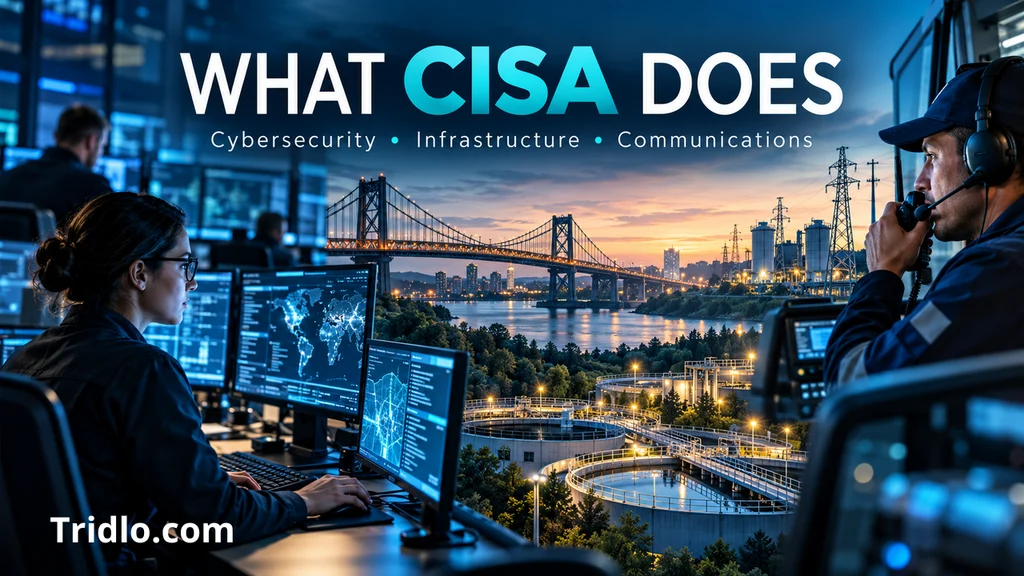
CISA identifies 16 critical infrastructure sectors within an interconnected system. Energy, water and wastewater systems, healthcare and public health, and transportation systems are examples. The agency’s infrastructure security overview explains why disruptions can have wider economic, safety, and public health consequences.
These dependencies matter even if your business does not operate critical infrastructure. Consider the services required to open your doors, accept a payment, contact customers, or deliver an order. Several may depend on the same electricity supply, communications connection, or service provider.
Examples of Infrastructure Risks
In a hypothetical local power outage, a small distributor might lose access to its loading equipment and internet connection at the same time. Its ordering application could remain available in the cloud while employees at the warehouse cannot reach it.

This example shows why “our data is backed up” answers only one recovery question. A useful planning exercise is to name the service you need to continue, identify its dependencies, and describe an acceptable temporary alternative. Then ask who can authorize that alternative and how employees will learn that it is in effect.
CISA Resources You Can Use
Choose a resource based on the decision in front of you. A business owner setting priorities needs a different starting point from an administrator investigating an affected product.
Cybersecurity Advisories and Guidance
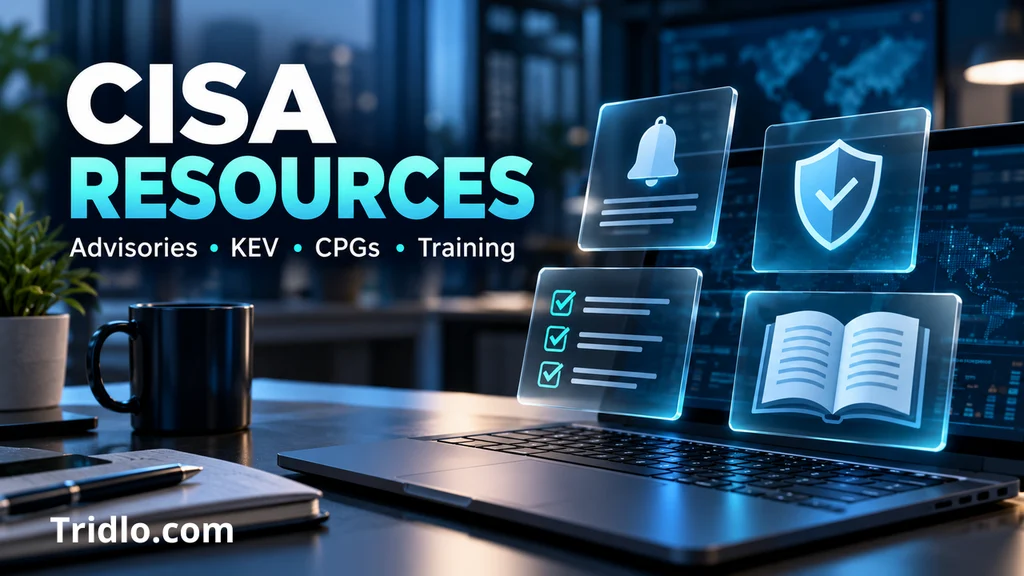
Use CISA advisories to investigate documented threats and defensive recommendations. Start with the affected technologies and recommended actions, then have a qualified administrator evaluate applicability. Save the publication date and revision date with your work notes so the team knows which version it reviewed.
Known Exploited Vulnerabilities Catalog
The Known Exploited Vulnerabilities Catalog, commonly called KEV, identifies vulnerabilities known to have been exploited. CISA describes it as an input to vulnerability management prioritization.
Match relevant entries to your actual products and versions, then review the linked remediation information. A catalog entry does not establish that your organization has been compromised. Conversely, a vulnerability’s absence from KEV is not proof that it is harmless. Your exposure, business dependencies, and vendor guidance still matter.
Cross-Sector Cybersecurity Performance Goals
The Cross-Sector Cybersecurity Performance Goals, or CPGs, are voluntary practices intended to help organizations prioritize meaningful security improvements. They provide a manageable starting point, particularly for organizations with limited resources.
Read the applicable goals and document what you already do, what remains incomplete, and what evidence would demonstrate progress. Treat the assessment as a working record rather than a one-time score.
Training and Other Free Resources
Browse the CISA resources and tools directory and training page for relevant learning opportunities and materials. CISA offers free resources, but check each listing for its audience, prerequisites, registration details, and availability.
Choose training around a responsibility. An employee who reports suspicious messages needs different instruction from someone who administers network equipment. After training, ask the learner to explain the action they would take in a realistic workplace situation.
| Resource | Reader Need | Practical Next Step | Official Link |
|---|---|---|---|
| Advisories and guidance | Understand a documented threat | Check affected technology and recommended actions | Advisories |
| KEV Catalog | Prioritize relevant exploited vulnerabilities | Match entries to your inventory | KEV Catalog |
| Cross-Sector CPGs | Choose baseline improvements | Assign an owner to an applicable gap | CPGs |
| Training and tools | Build a specific capability | Review audience and participation requirements | Training / Tools |
How Small Businesses Can Start Using CISA Guidance
Choose a Starting Point Based on Your Needs
If you are new to security, start with our cybersecurity guide for protecting your digital world, then use the CPGs to organize a discussion with your IT provider. If you already maintain a software inventory, checking relevant KEV entries may be a more immediate task.
Turn Guidance Into a Manageable Action Plan
The following is a suggested workflow, not an official CISA checklist:
- List important systems. Include business applications, devices, cloud accounts, and the person responsible for each.
- Review applicable CPGs. Identify a small number of gaps your team can address and verify.
- Check relevant KEV entries. Ask your administrator to confirm affected versions and appropriate remediation.
- Assign owners and dates. Give each task an accountable person, a realistic target, and a way to confirm completion.
- Review progress. Discuss unresolved work and repeat the process as your environment changes.
Hypothetical example: A 12-person design studio lists its email service, file storage, laptops, and router. Its IT provider confirms which updates apply, while the owner schedules a review of account access. They record who will complete each task and what evidence will show it is finished.
If that review reveals a need for outside help, our comparisons of top cloud security companies and major computer security companies can support further research. These independent articles do not represent CISA recommendations or endorsements. A checklist or a purchase alone cannot guarantee security.

Where to Find Official Incident Reporting Guidance
Use the Official CISA Reporting Page
Start with CISA’s official reporting page and follow the instructions shown there. If that address is unavailable, visit CISA.gov and look for its reporting option. Use the official site to confirm the appropriate reporting channel before submitting information.
Within your organization, make sure the person handling an incident knows who coordinates reporting and who can provide accurate details. A simple internal record of what was observed, when it was noticed, and which systems appear affected can help organize that conversation.
This section directs readers to official guidance; it does not determine reporting obligations. Contacting CISA should not be assumed to fulfill every notification requirement that may apply to an organization.
Verification note: The live reporting page could not be retrieved during this article’s review. Confirm current instructions directly on the official site; no reporting deadlines are asserted here.
Frequently Asked Questions
What Does CISA Stand For?
CISA stands for Cybersecurity and Infrastructure Security Agency. It is the federal agency discussed in this guide, with responsibilities involving cyber and physical infrastructure risks. The same acronym is used for ISACA’s Certified Information Systems Auditor certification, so check whether a search result concerns government resources or a professional auditing credential.
What Is the Official CISA Website?
The official website is https://www.cisa.gov/. Use it to find the agency’s own publications, resource directories, and reporting information. This article is independently published. When a linked document leads to a different website, check who operates that destination before treating it as an official agency statement.
Does CISA Only Help Government Agencies?
No. CISA’s work also involves private-sector organizations and other partners, as described in the DHS cybersecurity overview. Public guidance can be useful to businesses, infrastructure operators, and individuals learning about security. Access to a particular service is a separate question, so review that service’s stated audience and requirements before assuming eligibility.
Are CISA Resources Free?
CISA offers many free resources, including public guidance and training opportunities. Its official resource overview for international partners links to several freely available options. Check individual listings for participation conditions. A resource being free does not mean every service is open to every applicant, or that a third-party course linked from a directory has no cost.
What Is the CISA Known Exploited Vulnerabilities Catalog?
The KEV Catalog is CISA’s collection of vulnerabilities known to have been exploited. It helps teams focus attention when setting remediation priorities. It is not a complete inventory of every vulnerability. Review it alongside your asset information and applicable vendor instructions rather than treating every entry as an issue affecting your organization.
Are Cybersecurity Performance Goals Mandatory?
The Cross-Sector CPGs are voluntary, according to CISA’s description of the program. That answer applies to those goals; it should not be extended to every cybersecurity directive, contract, or reporting requirement. Use the goals to structure improvement work while separately determining which obligations apply to your organization.
Choose Your Next CISA Resource
CISA connects a national security mission with information organizations can use in everyday decisions. The most useful next step depends on the problem you need to solve. Read the About page for agency context, explore the CPGs to identify a starting point, or review the KEV Catalog with your IT team to support vulnerability prioritization.
Before closing the resource, write down one relevant action, the person responsible, and how you will verify completion. That small step gives the information a practical purpose inside your organization.