


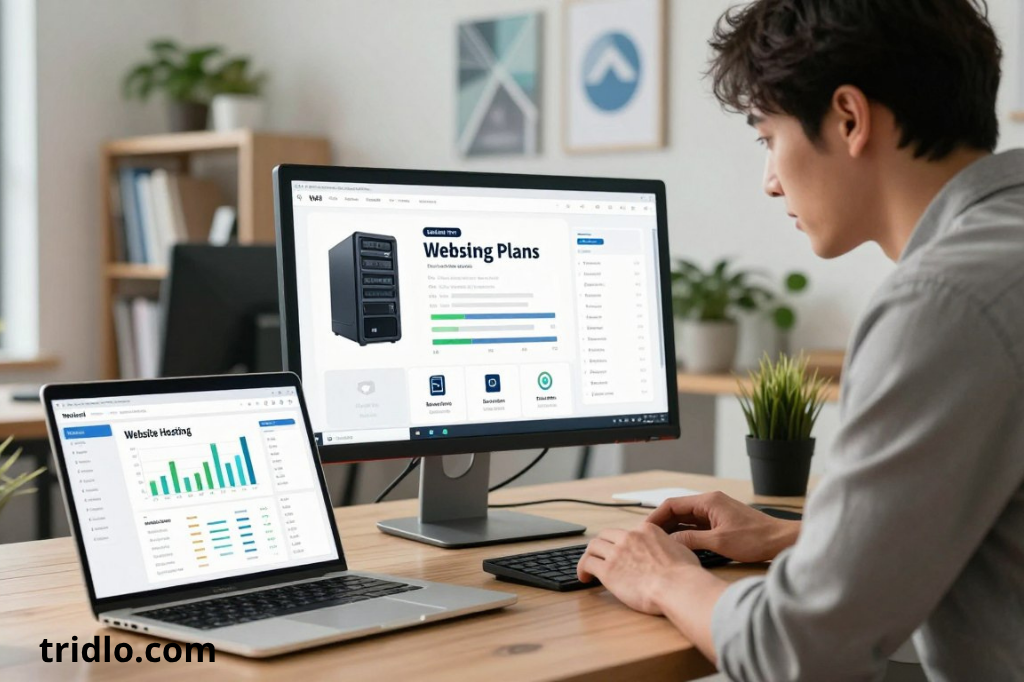
Starting a successful online presence begins with a strong foundation. Choosing the right website hosting is key when launching your digital project. Your goals should guide your choices to get the performance you need.
This guide helps you understand the complex world of providers in the United States. We’ll show you how to find the best website hosting by looking at speed, security, customer support, and scalability. Finding the right hosting doesn’t have to be hard if you know what to look for.
By the end of this article, you’ll be ready to choose a partner that grows with your vision. Let’s see how to match your technical needs with the perfect service plan.
Define Your Website’s Hosting Requirements
Choosing the right hosting plan is easier when you know what you need. Many beginners rush into buying without thinking. But, finding affordable website hosting needs a plan. Knowing your needs helps avoid paying for unused features and growing out of plans too fast.
Step 1: Identify Your Website’s Purpose and Audience
Match hosting needs to a blog, business site, online store, portfolio, or membership platform
Your site’s purpose determines the resources you need. A simple blog might do well on basic shared plans. But, a membership site needs more robust power for user logins and secure data. Always think about the user experience when choosing your hosting.
Estimate your expected traffic and growth over the next two years
Think about your future goals. If you expect more visitors, choose a host that can scale easily. Good website hosting services grow with your brand. They keep your site fast, even when it’s busy.
| Website Type | Primary Need | Growth Potential |
|---|---|---|
| Personal Blog | Ease of use | Low to Medium |
| Business Site | Uptime & Security | Medium |
| Online Store | Speed & SSL | High |
| Membership Site | Database Power | High |
Step 2: List the Features Your Site Requires
Consider WordPress support, email accounts, databases, staging, backups, and developer access
Modern sites need specific tools to work right. If you use WordPress, look for managed hosting that updates automatically. Staging environments are key for testing changes before they go live.
Check whether you need support for WooCommerce, Shopify integrations, or custom applications
E-commerce sites need special resources for safe payments. If you plan to sell, make sure your host supports your platform. Finding affordable website hosting with these integrations saves time and technical issues later.
Compare the Main Website Hosting Types
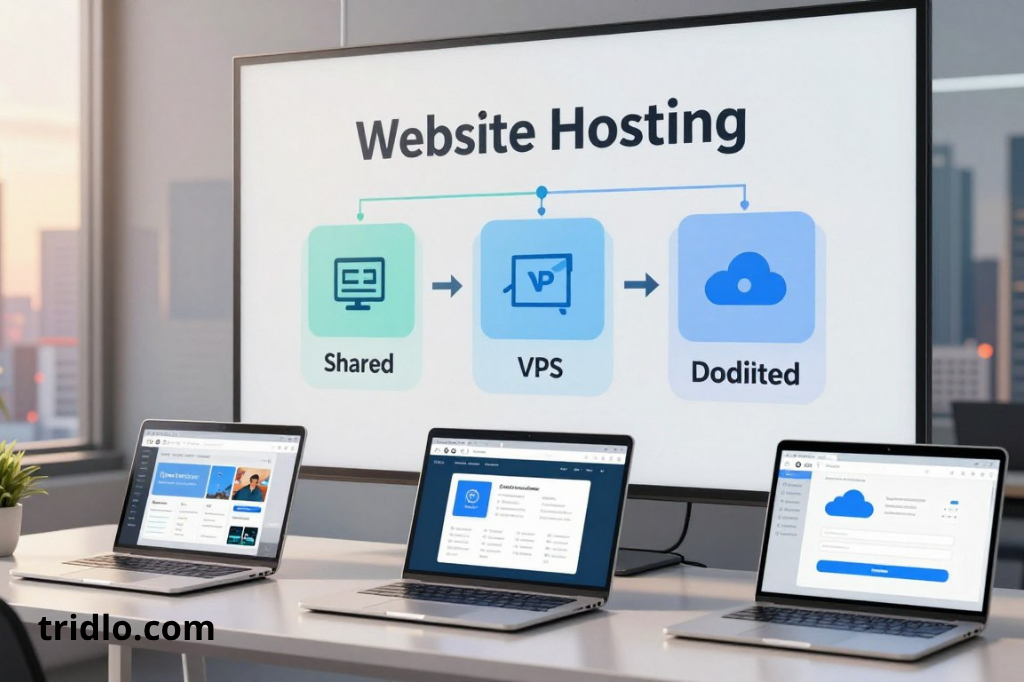
Exploring website hosting solutions can seem daunting. But, understanding the main types simplifies the decision. Each type offers a unique mix of power, cost, and management to fit your needs.

Step 3: Choose Shared Hosting for Simple, Low-Traffic Websites
Understand its affordability and resource limitations
Shared hosting is a budget-friendly option for beginners. Your site shares a server with others, using shared resources like CPU and RAM. This keeps costs down but might slow your site if another site gets busy.
Determine when shared hosting is suitable for a personal site or small business
For a personal blog, portfolio, or small business with little traffic, shared hosting works well. It’s cost-effective and easy to manage, thanks to user-friendly control panels.
Step 4: Consider VPS Hosting for Greater Control
Compare dedicated resources, scalability, and server management responsibilities
A Virtual Private Server (VPS) is a balance between shared and dedicated hosting. You get a dedicated part of the server, offering greater stability and speed. As your site grows, you can scale your resources without switching servers.
Decide whether you need a managed VPS or the flexibility of an unmanaged plan
Choosing a VPS means deciding on server management. A managed plan has the provider handle updates and security. An unmanaged plan gives you full control but requires you to manage the server.
Step 5: Evaluate Cloud and Dedicated Hosting
Use cloud hosting for flexible scaling and improved redundancy
Cloud hosting uses many servers to host your data. It offers excellent redundancy, ensuring your site stays online even if a server fails. It’s perfect for sites with changing traffic.
Choose dedicated hosting when your site needs consistent high performance and extensive server resources
Dedicated hosting gives you a whole server for your site. It’s the top choice for large sites needing maximum performance and security. While it’s more expensive, it ensures your site has all the resources it needs.
| Hosting Type | Best For | Control Level | Scalability |
|---|---|---|---|
| Shared | Personal/Small Sites | Low | Limited |
| VPS | Growing Businesses | Medium/High | Good |
| Cloud | High-Traffic/Dynamic | High | Excellent |
| Dedicated | Enterprise/High-Performance | Maximum | Manual |
Evaluate Speed, Uptime, and Technical Performance
Your digital success starts with the technical foundation you choose today. Fast loading times and consistent uptime keep visitors engaged. This also boosts your search engine visibility. A reliable website hosting environment is crucial for your brand, ensuring a smooth experience for every click.
When comparing website hosting plans, don’t just look at the price. Focus on providers with strong security, automated backups, and quick technical support. These features protect your data and give you peace of mind as your traffic increases.
Here’s a checklist to find a top website hosting provider for your project:
- Verify uptime guarantees of 99.9% or higher.
- Check for integrated performance monitoring tools.
- Confirm that the infrastructure supports your expected traffic volume.
- Review renewal pricing to avoid unexpected costs.
Before committing to a long-term contract, test these performance factors. Matching your specific needs with the right technical resources ensures your site stays fast, secure, and ready for growth.
FAQ
How do I know which of the many website hosting companies is right for my new business?
First, define your goals. If you’re making a professional WordPress site, SiteGround or Bluehost is a good start. They offer tools for beginners. Think about your expected traffic and needed features like email accounts or backups.
Is affordable website hosting actually reliable for long-term growth?
Yes, it is! HostGator or DreamHost offers great value. They let you start with shared hosting and move up as your site grows. This way, you get reliable hosting without spending too much in the first year.
What is the main difference between shared and VPS website hosting solutions?
Shared hosting is like an apartment where you share utilities. It’s great for beginners because it’s cheap. VPS hosting, like A2 Hosting, is like a townhouse. You have your own space within a larger building, offering more control and better performance.
Why should I prioritize speed and uptime when comparing website hosting?
Your site needs to load fast. Reliable hosting ensures it’s always available. Services like WP Engine or Liquid Web boost your site’s speed and rankings. This keeps visitors from leaving for other sites.
Do I need specific website hosting plans to run an online store?
Yes, e-commerce sites need special hosting. Look for support for WooCommerce or Shopify. Your hosting should also offer strong security like SSL certificates and PCI compliance to protect your customers’ data.
When should I consider moving to a dedicated hosting plan?
Consider a dedicated server if your site gets a lot of traffic or needs top security. A provider like Rackspace offers a dedicated server. This gives you full control over the server’s resources, perfect for large-scale operations.