


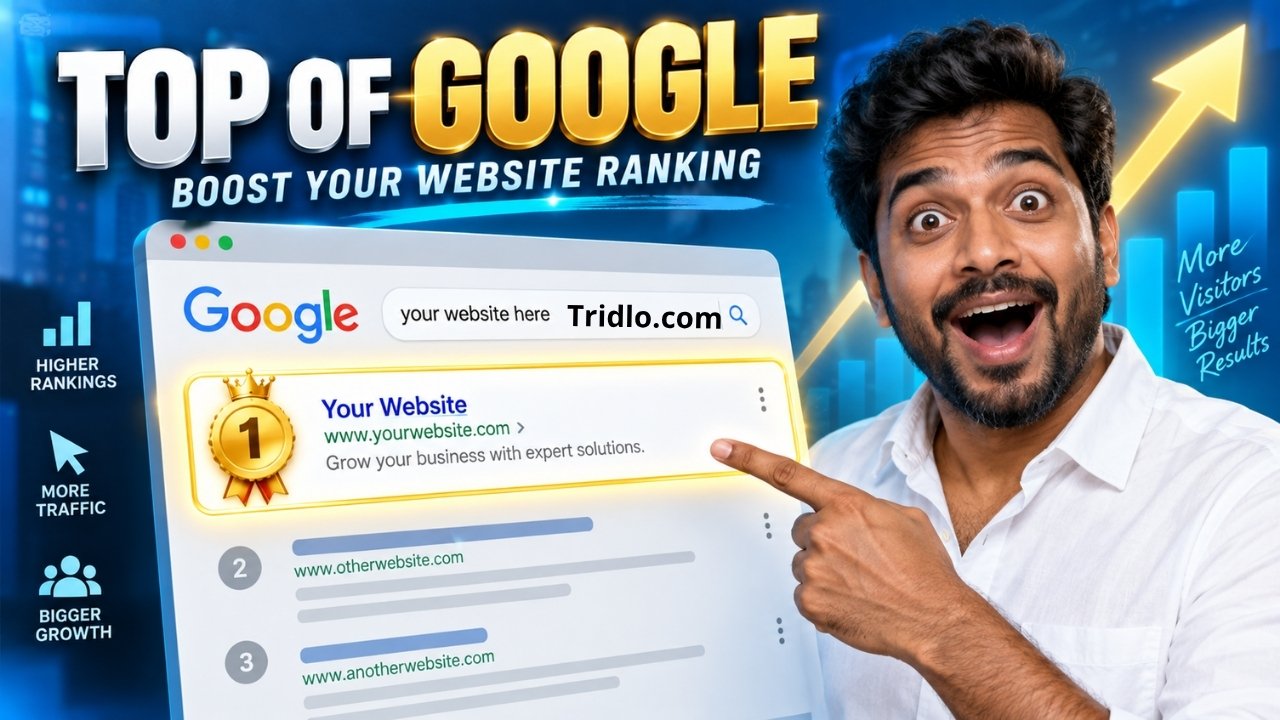
For a lifestyle editorial site, visibility in search results supports sustained reader engagement, steadier traffic, and the ability to showcase curated, visually rich content. Ranking higher on Google helps audiences discover relevant, meaningful content that aligns with their intent.
This guide presents practical, beginner-friendly optimization tailored to a WordPress modular framework. By aligning with a block-based setup such as Newspaper or TD blocks, content, media, and metadata can be structured in a scalable, maintainable way. The approach emphasizes clarity, speed, and semantic precision, ensuring improvements are sustainable as the site grows.
How to bring a site to the top of Google involves balancing brand consistency, technical performance, and content strategy. A strong technical foundation for performance and indexing in modular WordPress plays a crucial role in this balance. The sections that follow outline concrete steps that integrate with modular WordPress workflows, focusing on optimizing this foundation without requiring advanced coding skills. The emphasis remains on measurable, repeatable processes that enhance user experience while aligning with search engine expectations.
Establish a Strong Brand Presence with Google Signals
The initial focus is on creating a coherent brand footprint that resonates across the website and its Google-related properties, emphasizing the importance of establishing brand signals and Google property consistency. Consistency in visuals, terminology, and tone reinforces recognition and trust, which in turn supports authoritative visibility in search results.
Brand consistency across site and Google properties
Consistency should be evident in logo usage, color palette, typography, and voice throughout all pages and metadata. Align the site header, footer, and article templates with branding guidelines to ensure a seamless user experience. Standardized schema and structured data should reflect the brand identity to assist search engines in recognizing locality and topic relevance.
Implementing a verified Google Business Profile and branded metadata
Verify the Google Business Profile (GBP) and ensure it mirrors the site branding, including the logo, business name, and description. Populate branded metadata such as site name, publisher, and organization details in structured data to reinforce continuity across search features. Regularly update GBP attributes to reflect current campaigns, locations, and editorial priorities.
Aligning brand signals with search intent
Positioning the site for search requires deliberate brand signals paired with accessible structure. Maintain uniform naming conventions for authors and editors, standardized article bylines, and consistent category labels. Monitor profile integrity and regional signals to support impression quality without relying on short-term hype.
Technical Foundation for Performance and Indexing
The technical baseline for a modular WordPress theme centers on efficient architecture, accessible indexing, and secure delivery. A well-structured site supports crawl efficiency and user experience, which in turn influences visibility in search results. This section outlines practical steps to establish a robust framework without extensive customization.
Site architecture and crawlability for a modular WordPress theme
Organize templates and blocks to minimize redundant paths and ensure consistent navigation. Implement clear hierarchies for categories and author pages, and maintain internal links that are logical and scannable. Utilize modular templates aligned with the theme’s block structure to reduce crawl waste and improve crawl depth.
- Define a consistent URL schema across sections and tags.
- Limit dynamic parameters that create duplicate content concerns.
- Use canonical links to indicate preferred versions where multiple paths exist.
XML sitemaps, robots.txt, and canonicalization
Maintain an up-to-date XML sitemap that reflects the current site structure, including priority signals for high-value categories and evergreen articles. Configure robots.txt to allow access to essential assets while restricting non-critical areas. Implement canonical tags on duplicate or near-duplicate pages to consolidate signals and avoid content dilution.
- Submit the sitemap to search consoles and keep it refreshed after major edits.
- Ensure robots.txt does not block important content inadvertently.
- Apply consistent canonical links across all sections and media templates.
HTTPS, core web vitals, and mobile-first indexing
Security and performance are foundational. Enforce HTTPS, optimize for Core Web Vitals, and design with a mobile-first mindset. Prioritize fast loading times, stable layout shifts, and interactive readiness to meet evolving ranking signals.
- Compress assets and enable efficient caching strategies.
- Optimize images without sacrificing quality to reduce LCP impact.
- Use responsive design techniques to ensure consistent experiences on all devices.
How to get your website to the top of google for free
Leverage built-in CMS capabilities and practical optimization practices to improve indexing and usability. Regularly audit site health, address crawl errors, and align technical deliverables with editorial goals. The emphasis remains on sustainable performance gains derived from solid architecture and adherence to best practices.
Keyword Strategy for Editorial Content
Identifying topic clusters and pillar content
Begin with a structured mapping of core topics relevant to the editorial focus, utilizing a keyword strategy that identifies high-value terms. Group related subtopics into clusters that reinforce the central pillar content, ensuring that the approach enhances topical authority. This not only boosts SEO effectiveness but also supports deeper site interlinking across sections, making the content more comprehensive and interconnected.
- Define 3-5 primary pillars that align with audience intent and editorial priorities.
- Develop 4-6 supporting subtopics for each pillar to broaden coverage thoughtfully.
- Audit existing articles to identify gaps and opportunities for clustering enhancements.
On-page optimization: titles, headers, meta descriptions, and internal linking
Structure on-page elements to reflect user intent while remaining consistent with site taxonomy. Clear hierarchy and descriptive metadata aid both readers and search engines. Maintain uniform formatting across templates to reinforce predictability.
- Craft titles that incorporate primary keywords without sacrificing readability.
- Use header tags to delineate topic sections and integrate secondary terms where natural.
- Write concise meta descriptions that preview the article’s value while including target phrases.
- Establish a deliberate internal linking plan that connects pillar content to related articles and vice versa.
How to bring your website on top in google search
Align content creation with cluster strategy to maximize relevance signals. Prioritize consistent publishing schedules, monitor performance metrics, and adjust topics based on audience engagement and competitive landscape. Emphasize editorial quality and user satisfaction to sustain long-term visibility.
Content Quality and Rich Media for Engagement
Creating visually rich, category-driven posts
Editorial posts should align with category themes while incorporating visuals that enhance content quality and rich media optimization for engagement. Visual cues such as category banners, consistent typography, and a cohesive color palette reinforce clarity and guide readers through the content. The narrative structure should balance text with rich media elements to sustain momentum across sections and foster deeper engagement.
- Use category-specific templates to standardize presentation across articles.
- Incorporate descriptive alt text for all media to enhance accessibility and indexing.
- Align imagery with article themes to reinforce topic signals without overpowering the text.
Video integrations and interactive elements that boost dwell time
Media that complements the narrative supports engagement without distraction. Lightweight videos can provide concise summaries or expert insights, while interactive elements such as polls, quick quizzes, and expandable infographics extend reader sessions when placed thoughtfully within the article.
- Embed videos that load asynchronously to minimize performance impact.
- Incorporate interactive components that reveal additional context or related stories on user action.
- Avoid intrusive overlays or pop-ups that disrupt the reading flow on mobile devices.
Structuring content for readability and scannability
Content should be organized to support quick scanning while preserving depth for dedicated readers. Clear headings, concise paragraphs, and purposeful media placement improve comprehension and retention. Reader-friendly layouts contribute to lower bounce rates and longer session durations.
- Segment long passages with descriptive subheadings and bullet lists.
- Place key takeaways at the beginning of sections to aid skimming.
- Coordinate media with text so media appears near relevant paragraphs and bullets.
Technical and Content Syndication with Schema
Structured data basics for articles and FAQ
Schema and structured data usage for articles and FAQs provides explicit signals to search engines about page content. For editorial articles, appropriate markups should reflect article type, author information, publication dates, and category. Additionally, FAQ sections benefit from structured data that highlights question and answer pairs, allowing them to be surfaced as rich results. The approach remains focused on accuracy and maintainability within a modular WordPress setup while ensuring the effective implementation of schema to enhance discoverability.
- Implement Article schema to define headline, author, datePublished, and image.
- Use FAQPage schema for commonly asked questions with precise answers.
- Validate markup with a trusted testing tool to ensure correct interpretation by search engines.
Leveraging schema to enhance rich results without manipulation
Schema usage should reflect genuine content signals and avoid any artificial inflation of relevance. When applied consistently, structured data can support appearance in features such as rich snippets and knowledge panels, enhancing visibility without compromising integrity. The implementation should align with ongoing content updates and site changes within the WordPress framework.
- Maintain up-to-date schema as articles evolve, including revised dates and updated images.
- Ensure consistency between on-page content and structured data to prevent discrepancies.
- Prioritize schemas that match user intent and current search behavior within lifestyle editorial topics.
Local and Niche Optimization for Visibility
Local signals for lifestyle and editorial sites
Local and niche optimization for editorial sites can significantly enhance visibility for lifestyle platforms that cater to specific communities or regions. This involves aligning content with local interests, events, and consumer behavior while maintaining editorial integrity. By focusing on local and niche optimization, editorial sites can create more targeted content that resonates with their audience. Accurate local data supports search perception and user relevance across regional queries, ensuring that the content not only attracts attention but also engages the local readership effectively.
- Create location-based category pages that reflect regional perspectives within your editorial scope.
- Ensure consistent NAP information where applicable across local listings and site metadata.
- Integrate local event coverage and community-focused features to strengthen topical relevance.
Niche keyword targeting and content diversification within categories
Niche keyword targeting concentrates efforts on outcome-oriented terms that align with audience intent. Diversifying content within each category reduces topic saturation and broadens potential search coverage. This approach supports sustainable visibility by addressing varied user queries.
- Develop subtopics that extend core pillar themes without duplicating existing content.
- Balance evergreen and timely pieces to capture both enduring interest and seasonal trends.
- Monitor competitor movements to identify gaps where niche terms can be effectively introduced.
| Aspect | Recommendation | Expected Benefit |
|---|---|---|
| Local signals | Publish location-aligned editorial variants and verify local data | Improved relevance for regional queries and audience alignment |
| Niche keywords | Target long-tail phrases within each category and publish diversified content | Expanded reach and lower competition on core terms |
Authority Building and Earned Visibility
Backlink sources through quality content and digital PR
Earned visibility arises from credible, relevant backlinks that reflect audience value and editorial integrity. A disciplined approach centers on creating cornerstone content that stands as a reference due to depth, originality, and practical utility. Outreach should target reputable publications, industry commentators, and niche aggregators aligned with lifestyle editorial topics. Editorial standards and accuracy underpin sustainable link growth over time.
- Develop in-depth guides and data-driven analyses that serve as reference materials.
- Engage in digital PR that emphasizes story angles, expert quotes, and timely industry insights.
- Monitor backlink quality and relevance to maintain a healthy link profile and avoid penalty risk.
Internal linking strategy to distribute authority across blocks and categories
Internal linking distributes authority efficiently, supporting both user navigation and crawlability. A strategic framework anchors pillar content to supporting articles within each category, ensuring consistent topical signals. Regular audits help identify orphaned pages and opportunities to reinforce category hubs. The approach emphasizes logical anchor text and contextually relevant connections.
- Establish hub-and-spoke structures that tie micro-articles to broad pillar pieces.
- Use descriptive, keyword-aligned anchor text to convey topical relevance.
- Periodically refresh internal links to reflect updated content and shifting editorial priorities.
| Focus Area | Strategy | Expected Outcome |
|---|---|---|
| Backlinks | Publish high-value content and pursue reputable outreach | Increased external authority and referral traffic |
| Internal links | Link from related articles to pillar content with precise anchor text | Improved crawlability and distribution of page authority |
FAQ
How do I bring my website on top of Google Search?
Achieving strong visibility requires a balanced approach that blends technical readiness with high-quality, user-focused content. Begin with a clear content strategy that addresses audience questions and editorial themes, and ensure the site loads quickly on all devices. Use structured data to support indexing and regularly publish well-researched content that answers specific queries in depth. Maintain consistent branding across pages and Google profiles to reinforce trust signals and recognition.
How do I get Google to recrawl a website?
Recrawling is aided by signaling ongoing activity and providing fresh, accessible content. Submit an updated sitemap via Google Search Console and verify that robots.txt does not block important sections. Publish new or updated content with clear publication dates and accurate metadata. Use internal linking to guide crawlers to new material and promptly address issues such as broken links or server errors.
How do I increase my website ranking on Google?
Improvements arise from aligning content quality with user intent, thoughtful on-page optimization, and credible link building. Focus on topic relevance, refine titles and metadata, and establish authority through contextually appropriate backlinks. Enhance dwell time with engaging media and ensure accessible, scannable formatting. Regular content audits help adapt to evolving search behavior and ranking factors.
Can I pay Google to rank my website higher?
No, paid placements do not influence organic search rankings. Advertising provides visibility through paid search results that operate separately from organic rankings. It is important to distinguish between paid campaigns and ongoing organic optimization to maintain sustainable visibility over time.
Conclusion
How to bring your website to the top of google
Achieving strong visibility on Google requires alignment between editorial excellence and technical robustness. The approach at tridlo.com promotes a cohesive strategy that integrates brand signals, site performance, and validated content practices within a modular WordPress framework.
Key takeaways emphasize sustaining user-centric content, maintaining a consistent brand presence across properties, and ensuring technical foundations support indexing and engagement. The integration of rich media and structured data further strengthens the potential for favorable results while preserving editorial integrity.
- Prioritize pillar content and topic clusters to reinforce relevancy across categories.
- Maintain secure, fast, mobile-friendly pages to satisfy core web vitals and user expectations.
- Leverage schema responsibly to support rich results while preserving content authenticity.
Looking ahead, periodic audits of internal linking, content freshness, and backlink quality will help sustain momentum. By combining editorial discipline with precise technical execution, the site is positioned to grow its search presence in a manner consistent with editorial standards and audience needs.